Let animal visibility remain unpredictable
An animal may be resting, hidden or off display. Avoid promising a particular encounter; give children several things to notice so one quiet enclosure does not make the visit feel unsuccessful.
Byculla Zoo, also called Rani Baug, combines animal observation with a substantial historic botanical setting.
1 photo · DesiBoy101 · CC BY 4.0 · Photos are representative and may not show current conditions. Credits →
Desk research, not a site visit. Re-check the official notice on the morning you travel.
Byculla Zoo, also called Rani Baug, combines animal observation with a substantial historic botanical setting. The visit is strongest when children slow down at a few enclosures rather than chase a checklist of sightings. Penguins are a well-known draw, but visibility, animal care and enclosure operation can change; the trees and habitat questions give the day value even when a favourite animal is resting.
Editorial fit: ages 3+ for a short habitat route; school-age children can keep an observation notebook.
The best family zoo outing has shade breaks, realistic animal expectations and permission to leave before every enclosure has been visited.
An animal may be resting, hidden or off display. Avoid promising a particular encounter; give children several things to notice so one quiet enclosure does not make the visit feel unsuccessful.
Heat and walking can become the main challenge. Carry water, use permitted rest points and decide on a shorter route if younger children are tiring rather than pushing through a complete checklist.
Do not tap glass, shout for movement or feed animals. Invite children to watch posture and behaviour instead; a resting animal is still an opportunity to learn how wildlife differs from a performance.
An editorial 2–3 hours leaves room for selected enclosures and pauses. Choose two priorities on arrival and let the day’s notices shape the route. The operator’s booking page gives 10 AM–5 PM and a Wednesday closure; some older tourism schedules differ.
The zoo’s own site lists Humboldt penguins. If the exhibit is accessible, give children time to notice how movement differs on land and in water rather than moving on after one photograph. Read the identification and habitat information together. Do not promise a feeding, chick sighting or uninterrupted underwater display; none has been confirmed for your visit date. Keep glass and barriers clear and avoid tapping to provoke movement.
The municipal site lists Bengal tiger and Indian leopard among its collection. An animal may be difficult to see or asleep, so ask children to find shade, shelter and different heights in the enclosure. Discuss how you know something is present without demanding that it perform. Wait quietly for a short time, then move on if there is no clear view. Zoo observation is not a guaranteed wildlife show.
Pelicans and other birds appear in the operator’s published collection. Instead of learning many names at once, compare beaks, feet or the way two birds hold themselves. Use labels to check identification and distinguish observed behaviour from a guess. A short drawing can keep an interested child engaged while another family member looks; stay out of the path and never offer food to encourage a closer view.
Rani Baug’s official identity includes a botanical garden. Pause between enclosures to compare leaf shapes, the width of trunks or how shade changes the feel of a path. Children can make a visual collection in a notebook instead of plucking leaves. This creates a calmer interval and gives a younger child something close at hand to investigate. Avoid claiming a particular tree’s age unless its on-site label supports it.
Give each child a tiny field-note task: draw one animal, note where it was and describe one action actually seen. “Resting under shade” is as valid as swimming or walking. An older child can add a question the visit did not answer. This turns an uncertain sighting day into a record of patient looking and helps children resist the urge to shout, tap glass or feed wildlife.
Prices, access and programmes can change. Confirm with the operator before setting out.
Veermata Jijabai Bhosale Udyan and Zoo, Byculla East, Mumbai
Search-based Google map. Confirm the public entrance before travelling; this is not a surveyed entrance pin.
The official tariff data lists two combinations: two adults with two children, or two adults with one child. Extra people have their own categories. Check age eligibility in the dated booking before paying.
The public tariff labels overlap at 12: adult 12–59 and child 3–12. Ask the operator or use its booking guidance rather than assuming the cheaper category is correct.
The official site lists Humboldt penguins, but an animal’s visibility and an enclosure’s operation are not guaranteed. No separate penguin add-on appeared in the tariff data checked; confirm any changed access at the entrance.
Older tourism or municipal publications can retain another schedule. The current public booking form says 10 AM–5 PM, Wednesdayclosed; use its date selection and entrance notices for your trip.
No. Feeding and teasing are expressly prohibited. Wait quietly and accept that resting or out-of-view animals are part of a zoo visit.
The operator asks visitors to avoid single-use plastic and bring their own water bottles with cloth or paper bags. Check any gate screening requirements and keep the outing’s rubbish with you until an appropriate bin.
The booking data lists photography ₹100 and videography ₹300 per camera but does not resolve every device scenario. Ask before purchase if you intend to use only a phone or need special filming permission.
Yes as a separate planned visit, with its own ticket and opening checks. For a preschooler, a full zoo circuit may already be enough; eat and rest before deciding.
Compare the enclosure’s shade and shelter, sketch an observed posture, or switch to a botanical pause. Do not bang on barriers, play sounds or keep waiting until the child becomes frustrated.
Desk-researched from linked sources. Ages, durations, suggested routes and activities are editorial planning advice, not operator guarantees.
Tell us what has changed: new hours, a price, a closed gallery, a changing table that exists or doesn’t. We check against a source before publishing.
Consider one of these if there is time and energy left. They are alternatives; the route link lets you check the journey before adding a stop.
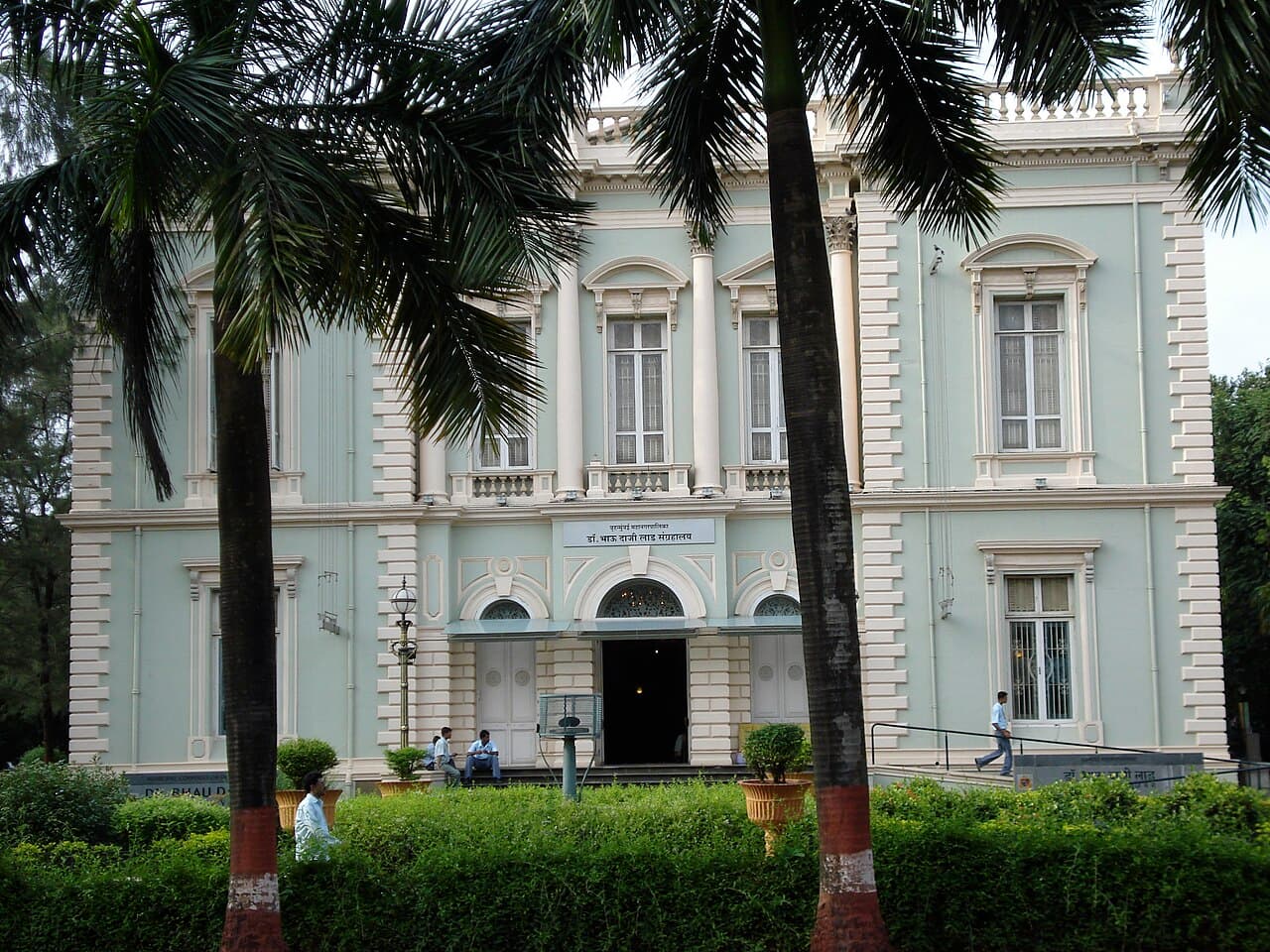
1–2 hours · Indoor
Bhau Daji Lad is a museum for understanding Mumbai through objects: miniature people, maps, models and decorative work give children concrete ways into the city’s past. Check its own opening and access notes before adding a second stop.