Choose sand play over a water promise
A small bucket or simple sand game can supply the activity without entering the sea. Explain that boundary before arrival so it does not become a disappointing negotiation at the shoreline.
Girgaon Chowpatty offers a sandy pause at the northern end of the Marine Drive outing, with the city skyline still close by.
1 photo · Pradeep717 · CC BY-SA 4.0 · Photos are representative and may not show current conditions. Credits →
Desk research, not a site visit. Re-check the official notice on the morning you travel.
Girgaon Chowpatty offers a sandy pause at the northern end of the Marine Drive outing, with the city skyline still close by. Make the plan about dry-shore play, looking at the bay and a possible snack. This guide does not certify swimming water, guarantee beach equipment or treat a festival crowd as an ordinary family beach day.
Editorial fit: ages 2+ for supervised dry-sand play; younger children need extra care around litter, crowds and the waterline.
Treat this as a short sand-and-city outing, with a clear cleanup plan. It is not a swimming recommendation.
A small bucket or simple sand game can supply the activity without entering the sea. Explain that boundary before arrival so it does not become a disappointing negotiation at the shoreline.
Carry a small towel and a bag for sandy footwear or clothes. Decide where you will wash hands before eating rather than assuming the beach has the facilities your family needs.
A beach that feels manageable on an ordinary day can be very different during major events. If access or crowds are uncomfortable, choose a short promenade view or a different day instead.
Allow an editorial 45–90 minutes including cleanup. The most useful preparation is a small sand-play kit, water, a change of clothes and an agreed departure point. Conditions and access can change during rain, high surf and major events.
Choose a clear permitted patch away from the active waterline and pedestrian traffic. A cup or small spade is enough for roads, houses and a pretend harbour; there is no need to buy a large kit on arrival. Let each child add one part of the city and explain how people would move through it. Check the immediate area for sharp litter first and leave nothing behind.
The beach’s setting makes a useful orientation game. Use a map to show how the shore relates to Marine Drive and Malabar Hill, then let the child find the direction of the curve. This works especially well after Kamala Nehru Park: compare a high viewpoint with being at beach level. Combining both stops is optional; allow transport and a rest rather than making the hill walk compulsory.
Chowpatty’s food atmosphere can be part of the outing, but select a stall based on what is actually available and how it is prepared. Ask about spice and ingredients before ordering for a child. A small shared tasting is easier to manage than replacing a toddler’s entire meal with an unfamiliar snack. Keep your meal backup and water, and discard packaging responsibly.
Choose a final look at the bay from your dry-shore spot, then start cleanup while everyone still has energy. Put sandy footwear and wet items in a separate bag. This practical ending matters more than reaching a particular photograph or sunset time: it prevents the last ten minutes becoming a rushed change beside moving traffic. Return to the agreed pickup via a suitable crossing.
Prices, access and programmes can change. Confirm with the operator before setting out.
Girgaon Chowpatty, Girgaon, Mumbai
Search-based Google map. Confirm the public entrance before travelling; this is not a surveyed entrance pin.
This guide does not recommend swimming or certify the water as safe. Keep children on the dry shore and follow lifeguard, police and weather restrictions.
Chowpatty adds sand play and a beach atmosphere. Marine Drive is primarily a promenade walk, so choose based on whether your family wants sandy clothes and cleanup.
Expect wheels to struggle in loose sand. Plan to keep the stroller on a suitable paved edge with an adult, or shorten the sand session; an accessible beach route has not been verified.
No. Treat the sunset as a bonus rather than a deadline. A calm early visit with an easy departure can be a better family outing than waiting in a dense crowd.
Immersion periods change crowd levels, access and traffic dramatically. A family interested in the festival needs a separate crowd-aware plan; it is not equivalent to an ordinary beach visit.
Make patterns with a small toy, compare dry and damp sand away from the active waterline, or draw the skyline. Supervise closely and avoid collecting sharp or unfamiliar objects.
Keep a backup meal plan. Stall menus, spice levels, hygiene and allergen handling vary, so buy only when you are comfortable with the preparation and ingredients.
Carry a small towel or wipes, a spare outfit and a separate bag for sandy shoes. Finish sand play early enough to clean up away from the traffic edge.
Desk-researched from linked sources. Ages, durations, suggested routes and activities are editorial planning advice, not operator guarantees.
Tell us what has changed: new hours, a price, a closed gallery, a changing table that exists or doesn’t. We check against a source before publishing.
Consider one of these if there is time and energy left. They are alternatives; the route link lets you check the journey before adding a stop.
30–90 minutes · Outdoor
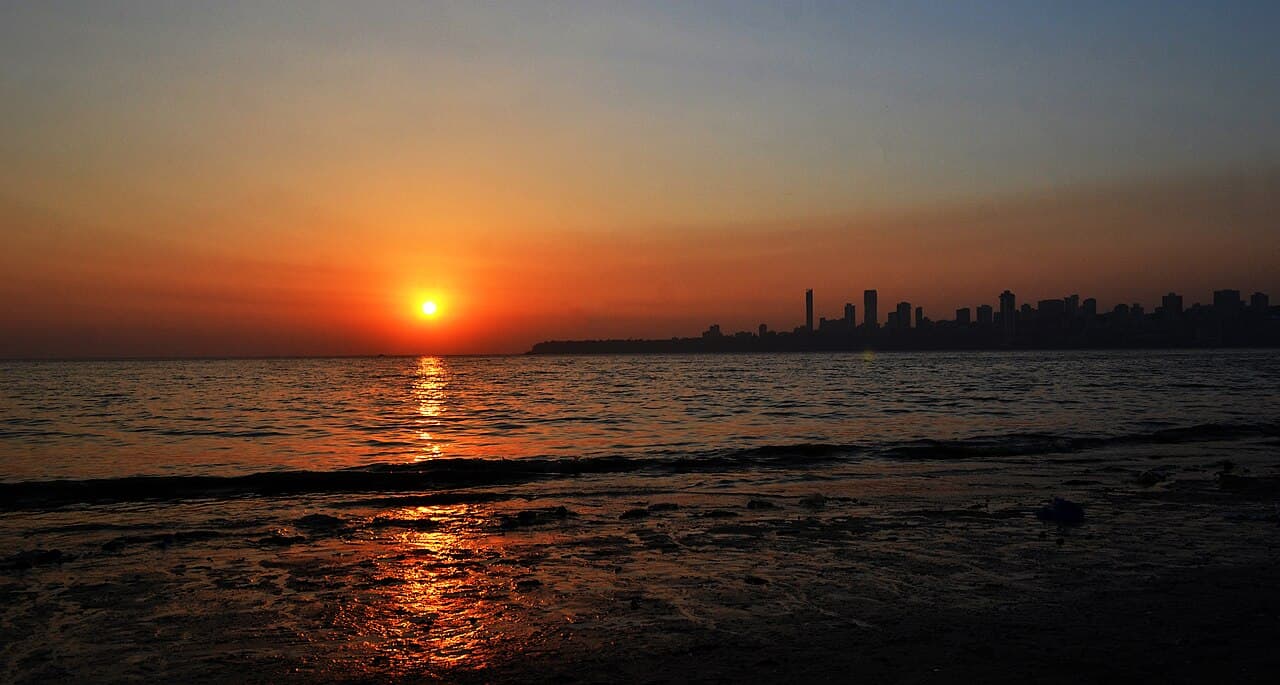
Marine Drive is easiest with children when you choose one comfortable stretch instead of trying to cover the whole bay. Check its own opening and access notes before adding a second stop.
45–75 minutes · Outdoor
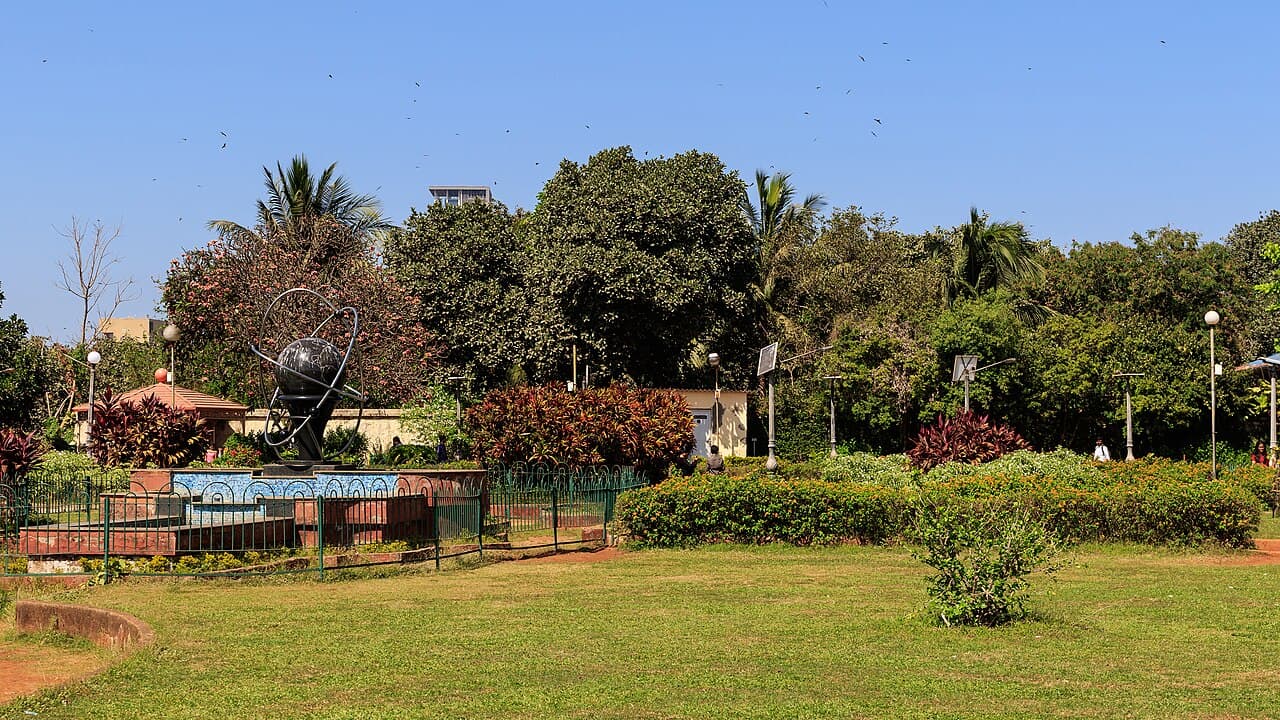
Hanging Gardens is a Malabar Hill garden visit built around paths, clipped planting and a slower pace. Check its own opening and access notes before adding a second stop.
30–60 minutes · Outdoor
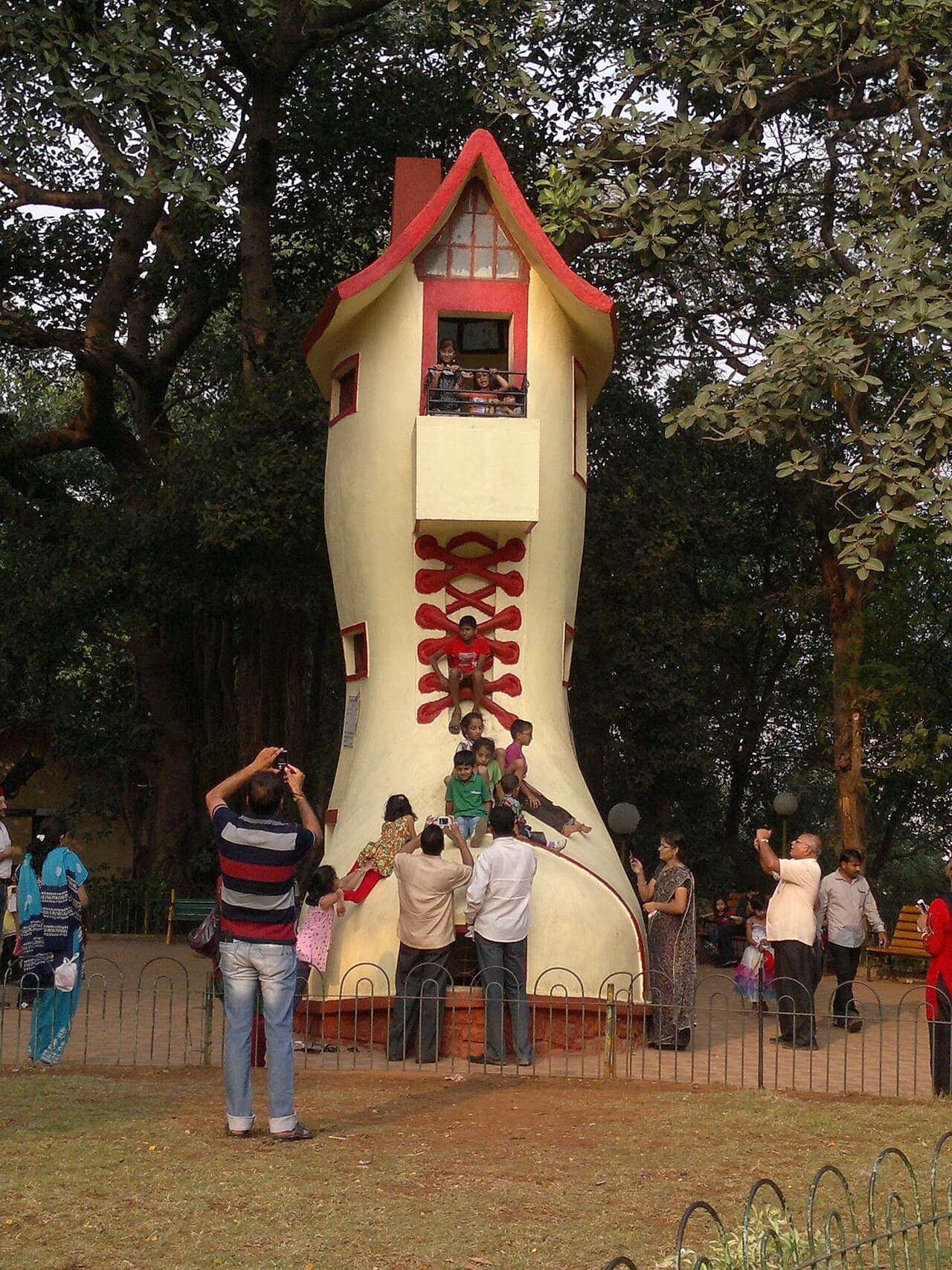
Kamala Nehru Park gives children a memorable object to look for—the giant Boot House—and a hilltop perspective on Mumbai’s bay. Check its own opening and access notes before adding a second stop.