Match the floor to each child
Published guidance differentiates Play, Make, Discover and Grow. Choose the spaces that suit your child’s age and interests, rather than assuming an admission ticket makes every activity equally appropriate.
MuSo works best when children have time to test their own ideas.
1 photo · Rupturestriker · CC BY-SA 4.0 · Photos are representative and may not show current conditions. Credits →
Desk research, not a site visit. Re-check the official notice on the morning you travel.
MuSo works best when children have time to test their own ideas. Its lab-based visit can move from playful physics to water questions, making and living systems, with a library pause when the family needs a quieter pace. The recommended ages differ by floor, so choose activities for your child rather than assuming every paid session suits every age.
Official labs/spaces age 2+. Under-2s only with an older sibling and adult caregivers. Individual activities may have further limits. Editorial fit: 3–12, depending on activity.
MuSo is not one uniform play room. Different spaces, age guidance and ticket durations make a little planning especially useful.
Published guidance differentiates Play, Make, Discover and Grow. Choose the spaces that suit your child’s age and interests, rather than assuming an admission ticket makes every activity equally appropriate.
Decide which two experiences matter most before getting absorbed in the first one. The published rule that exit ends the slot means an outside meal break may not allow re-entry; check food and break arrangements first.
Children under 12 need accompaniment under the published rules, and adult tickets affect the family total. Check the exact weekday or weekend duration, taxes and sibling rules rather than multiplying only the child headline price.
Official recommendations place Play and Grow at 2+, Make at 5+ and Discover at 7+. These are not a guarantee that every tool or activity is available to every child. Book a 3-hour,5-hour or all-day product only after checking its inclusions, slot and total for both children and adults.
The Play Lab describes experiments with air, motion, structures and water. Let your child choose one challenge and repeat it with a deliberate change rather than racing between stations. When a bridge falls or a design behaves unexpectedly, resist rebuilding it for them. Ask what they noticed, then offer help only where requested or needed for safe use. This is an editorial approach to the published hands-on lab, not a fixed facilitated lesson.
This floor’s published themes include water systems and the Mithi River, with a recommendation for older children and family guidance. Begin with a familiar question such as where household water comes from, then follow the exhibit’s story. Some environmental themes can be serious; let the child say what they find confusing or worrying. End with one manageable question or action rather than asking them to solve an entire city’s problems.
The official description includes art, woodworking and prototyping. Check the day’s supervised activity, age requirements and whether it belongs to your ticket before promising a particular tool. Once involved, encourage a simple first version and a discussion of how it might improve. Adults can help a child explain an idea without taking over the making. Do not assume a 3D printer or laser cutter is independently available to every visitor.
The terrace lab introduces plants, soil, compost and pollinators. Ask the child to find one relationship: what feeds a plant, what visits a flower or what happens to organic waste. Keep the pace slower than in the indoor play floor and follow staff guidance around living things. As an outdoor area, it may be affected by weather; an indoor ticket is not a promise that every terrace activity will operate.
MuSo identifies its library as a quiet zone, including for visitors with sensory sensitivities. Treat it as a legitimate part of the visit, not time lost between bigger activities. Let the child choose a book or simply pause according to the space’s rules. If the family needs specific sensory or access support, ask before arrival; a quiet-zone description does not establish every individual accommodation.
Prices, access and programmes can change. Confirm with the operator before setting out.
Museum of Solutions, Pandurang Budhkar Marg, Worli / Lower Parel area, Mumbai 400013
Search-based Google map. Confirm the public entrance before travelling; this is not a surveyed entrance pin.
Play and Grow are recommended from 2+, while Make and Discover target older children. For a first toddler visit, choose fewer experiences and a shorter product rather than expecting access to every activity.
The published policy permits under-two entry only with an older sibling and adult caregivers. Check feeding, changing and access needs before buying the older child’s session.
No. Official product data shows separate child and grown-up variants. For example, a standard 3-hour weekday child+adult pair totals ₹1,498 before applicable tax in the observed data.
The published terms say applicable taxes and government levies are added at billing. Check the final total before payment; this guide’s observed variant values are not a tax-inclusive checkout quote.
The terms say a temporary exit ends the slot. Ask how an internal meal or essential feeding break works with your exact product before assuming all-day means unrestricted re-entry.
No. Those facilities describe the Make Lab, but activity age rules, staffing, availability and ticket inclusions still apply. Confirm the particular session before promising it.
The Library of Solutions is described as a dedicated quiet zone. Ask staff how to access it and discuss any particular support needed; the whole museum should not be assumed quiet.
Ordinary exhibit-floor admission requires a child unless the museum approves an exception. A past adults-only event is not an ongoing permission.
Children under 12 must remain accompanied by an adult under the published rules. A museum ticket should not be treated as drop-off childcare.
Base the choice on stamina, age-appropriate activities and meal needs. A focused shorter visit can be better than an expensive session spent rushing, and no product guarantees every workshop is available.
Desk-researched from linked sources. Ages, durations, suggested routes and activities are editorial planning advice, not operator guarantees.
Tell us what has changed: new hours, a price, a closed gallery, a changing table that exists or doesn’t. We check against a source before publishing.
Consider one of these if there is time and energy left. They are alternatives; the route link lets you check the journey before adding a stop.
60–90 minutes · Indoor
Funky Monkeys is the clearest dedicated soft-play option in this set, based in Todi Mills rather than a shopping mall. Check its own opening and access notes before adding a second stop.
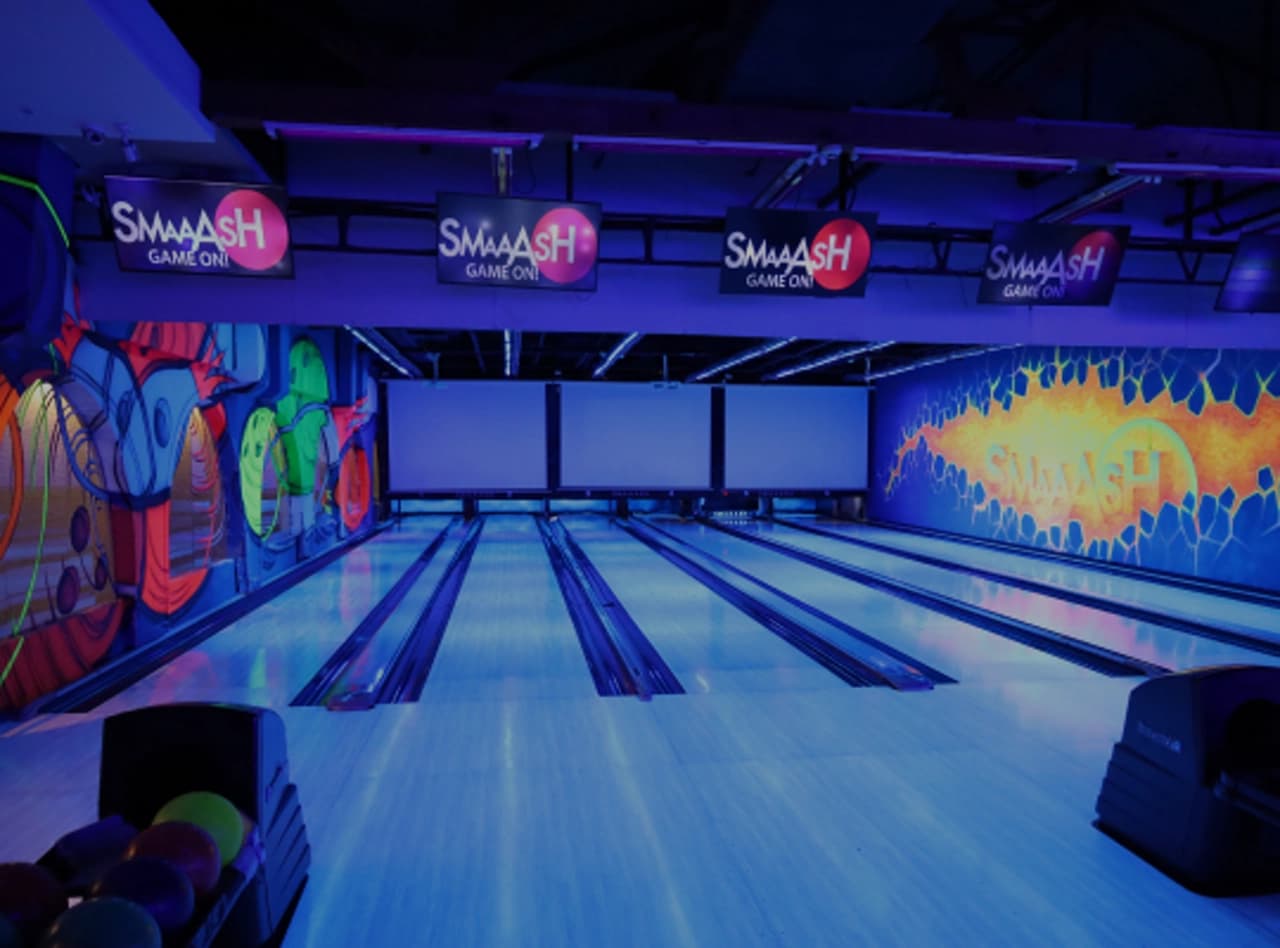
90–150 minutes · Indoor
A bowling contest, a turn at the batting crease and a few arcade challenges: SMAAASH at Utopia City is an indoor games outing you build activity by activity. Check its own opening and access notes before adding a second stop.
45–90 minutes · Indoor
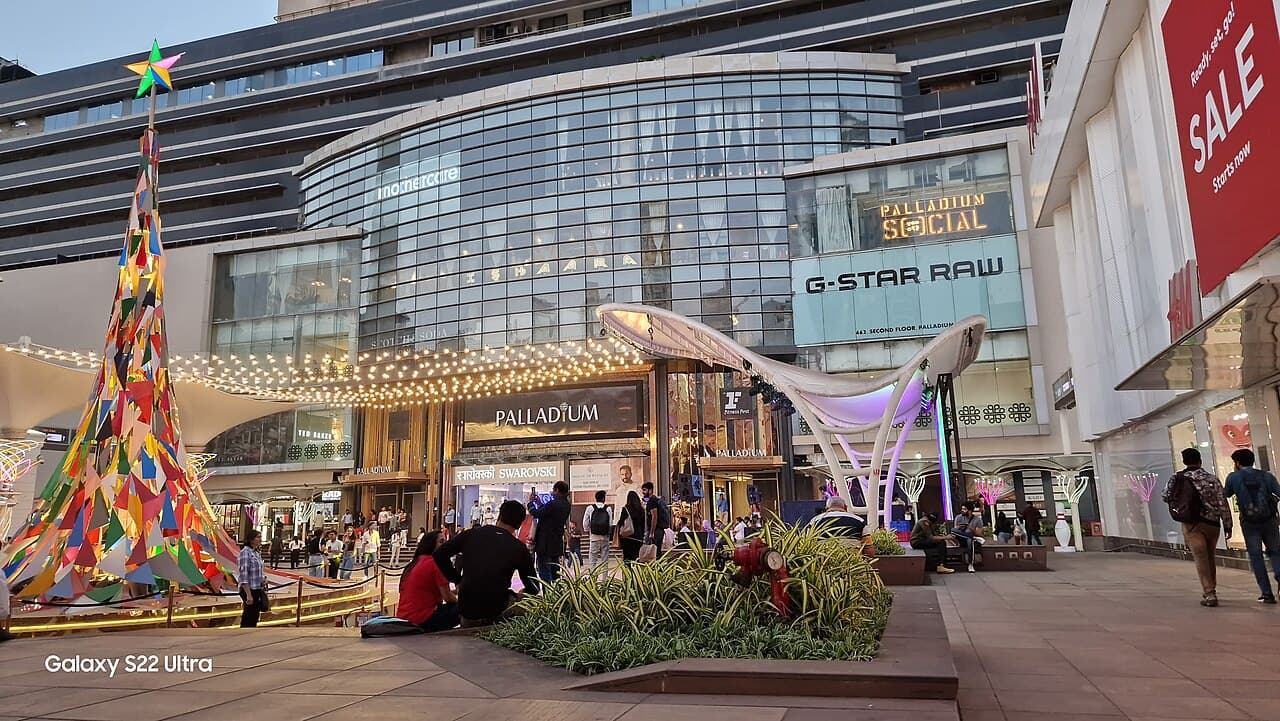
Timezone at Phoenix Palladium provides a nearby Lower Parel gaming option for families already planning a mall outing. Check its own opening and access notes before adding a second stop.