Give an exhibit time for a second attempt
Ask the child what they expect to happen, let them try, then change one thing. That small experiment is more useful than touching every button once while hurrying to the next gallery.
Nehru Science Centre is a place to try, notice and try again.
Mirror Gallery and Science Odyssey are listed as temporarily closed for major renovation. General gallery opening does not imply these experiences operate.
Official notice ↗3 photos · Ananyaalien · CC BY-SA 3.0 · Photos are representative and may not show current conditions. Credits →
Desk research, not a site visit. Re-check the official notice on the morning you travel.
Nehru Science Centre is a place to try, notice and try again. A child can explore senses indoors, turn movement into sound, investigate visual tricks and work with larger mechanisms in the outdoor park. Start with galleries and add a show only if it fits your child and the timetable. Mirror Gallery and Science Odyssey still carry renovation-closure notices, so neither belongs in a promised itinerary.
Our planning suggestion: best for many children aged 5–12; younger children may prefer a shorter sensory-led visit. This is not an operator admission restriction.
The centre rewards trying, noticing and trying again. A family does not need every show or package to have a substantial visit.
Ask the child what they expect to happen, let them try, then change one thing. That small experiment is more useful than touching every button once while hurrying to the next gallery.
Entry and several shows have separate prices, while packages combine selected experiences. Compare the inclusions with your child’s attention span and current availability; a larger package is not automatically better value.
Current source information marks the Mirror Gallery and Science Odyssey as closed. Build excitement around confirmed available experiences, then check the day’s operating information before buying add-ons.
An editorial 2–4 hours suits selected galleries, a break and perhaps one show. Preschoolers may need a shorter visit. Each description identifies a published exhibit or show theme, while particular mechanisms can be unavailable for maintenance.
The official gallery description includes touch surfaces, shadows, soap bubbles and colour experiments. Let a child make a prediction before trying an exhibit, then ask whether the result matched. You do not need to explain everything first. For a younger visitor, one texture comparison or a repeated shadow experiment can be a complete success. Follow each exhibit’s handling instructions and move on if a mechanism is out of service.
The centre describes a walk-on piano, musical materials and demonstrations of sound behaviour. Compare a short, gentle action with another allowed action and listen to the difference. A child interested in music can think about how an instrument produces its sound; a child sensitive to noise may prefer to observe briefly and leave. More volume is not the goal, and the gallery is not a hearing test or clinical assessment.
Optical illusions, colour addition and demonstrations of light are the gallery’s published focus. Ask each person what they see before comparing answers. When two people disagree, use that as a reason to look again rather than to declare someone wrong. This is separate from the closed Mirror Gallery: do not assume a closure of one means every light exhibit is unavailable, or promise a specific mechanism will work.
The outdoor park lists levers, pulleys, gears and a prehistoric corner. Choose a mechanism with clear instructions and let the child predict what will move. The Giant Lever and Perspective House are named on the centre’s site; availability should be checked locally. Heat and rain change how pleasant this part feels, so do not leave all outdoor time until children are exhausted after indoor galleries.
The centre uses projections on a 1.8-metre sphere to explain Earth and space systems. This can help an older child see oceans, weather or another planet as a connected whole rather than a flat map. It is a separately priced show, so check language, timing and what is operating. Encourage one question to take away instead of trying to memorise the entire presentation.
Sparkling High Voltage is an official paid demonstration. Ask the desk about the next session and its sensory demands before buying, particularly for a child who dislikes sudden sound or darkness. Treat the show as a chance to observe safely under staff direction, then discuss what surprised you. Do not imitate electrical demonstrations at home or assume the smaller general science demonstration is the same product.
The tariff offers a 3D science show and a motion simulator separately, and some packages include both. Check the actual programme and current ride restrictions first. A child who dislikes moving seats or wearing viewing glasses may get more from an extra gallery hour. Paying for a large package does not remove show times, queues, closures or the need for a break.
Prices, access and programmes can change. Confirm with the operator before setting out.
Dr. E. Moses Road, Worli, Mumbai 400018
Search-based Google map. Confirm the public entrance before travelling; this is not a surveyed entrance pin.
No. The Science Centre is on Dr E Moses Road and focuses on galleries, exhibits and its own shows. The Planetarium at Nehru Centre has a different entrance, timetable and ticket.
No. The centre’s current tariff page lists ₹100 general admission. The older ₹70 annual-report figure should not be presented as today’s admission.
Both still display temporary renovation-closure notices on the centre’s site. Do not promise them unless a subsequent official reopening notice replaces those notices.
As editorial advice, begin with a few accessible sensory exhibits in Science for Children, then take a break. Follow the child’s curiosity rather than expecting them to understand every label or complete each gallery.
Compare the named included shows with your child’s interests and the day’s operating timetable. The package is not simply four general-entry tickets; it can be poor value if you will skip the seated or motion experiences.
Possibly, with selective galleries and breaks. Ask staff about sound levels and demonstration effects before buying High Voltage or other show tickets. A quiet-room provision has not been verified.
The centre publishes cafeteria information, but current menu, queues and dietary handling should be checked on arrival. Do not schedule shows so tightly that the child cannot eat or rest.
That leaves little time before the published 6 PM closure, with ticket sales ending 5:30 PM. A proper gallery visit needs an earlier start; late ticket availability is not a promise of enough time for every show.
No universal suitability is implied. The tariff lists separate adventure products; ask the operator about current age, height, equipment and health rules before paying.
Let the child predict, try and compare one change. Ask what happened before giving the explanation, and return to a favourite experiment if the child wants to test a new idea.
Desk-researched from linked sources. Ages, durations, suggested routes and activities are editorial planning advice, not operator guarantees.
Tell us what has changed: new hours, a price, a closed gallery, a changing table that exists or doesn’t. We check against a source before publishing.
Consider one of these if there is time and energy left. They are alternatives; the route link lets you check the journey before adding a stop.
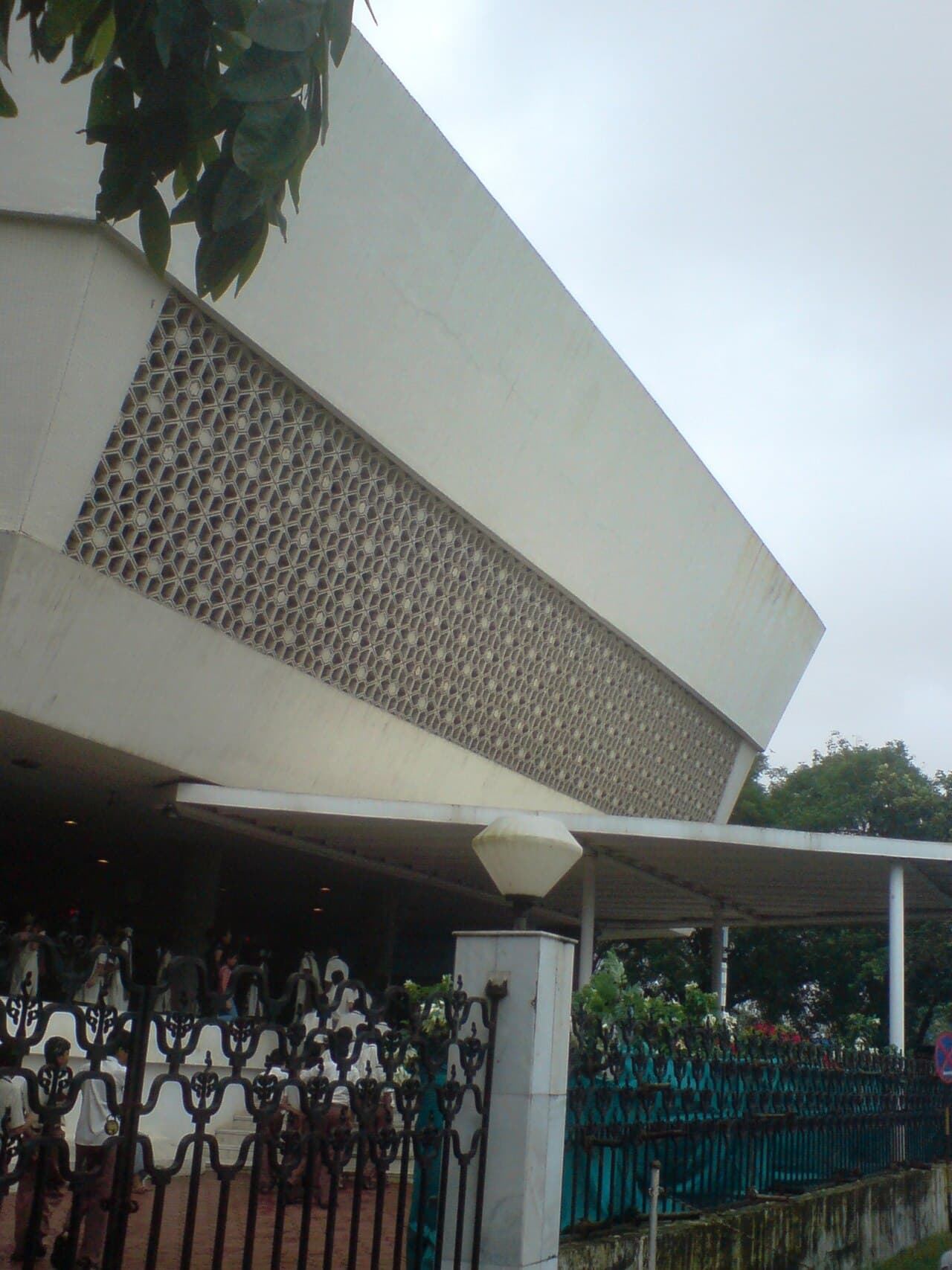
1.5–2 hours · Indoor
Nehru Planetarium is a scheduled, seated astronomy experience, so choosing the right language and arrival time matters as much as choosing the date. Check its own opening and access notes before adding a second stop.
60–120 minutes · Indoor
The Game adds a genuinely playful indoor stop to a Worli day: bowling, cricket and arcade games in Atria Mall, with a Tweens N Tots zone listed by the operator for younger visitors. Check its own opening and access notes before adding a second stop.
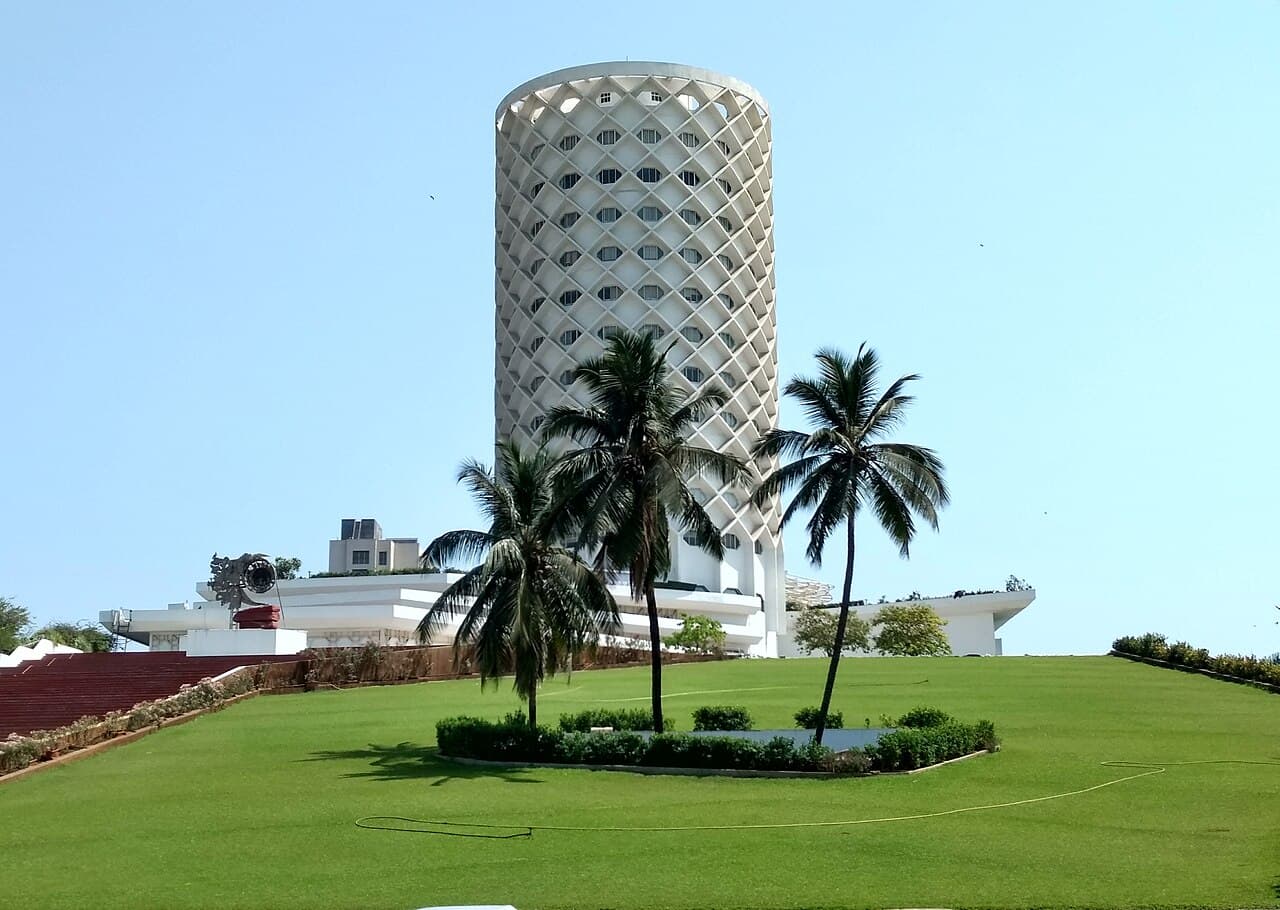
60–120 minutes · Indoor
This permanent Nehru Centre exposition offers a broad introduction to India through galleries, architectural replicas, photographs, dioramas and audiovisual material. Check its own opening and access notes before adding a second stop.