Science & culture
The Science Centre and Nehru Centre offer different kinds of learning. Pick an anchor, then check a second institution’s hours before adding it.
- Good for
- Curious school-age children
- Check
- Separate tickets, calendars and entrances
Worli works well for a science-led family day with a coastal view as an optional extra. Keep the educational attraction as the anchor and build the rest around show schedules, meals and the child’s concentration span.
Worli is unusually good for switching between a structured indoor activity and an uncomplicated outdoor finish. The science centre and planetarium already supply the main learning experiences; the useful additions are places where children can decompress rather than consume another ticket. Bhagwan Mahavir Udyan is a modest neighbourhood garden, while the newer Coastal Road promenade offers a much broader seafront walk reached through designated pedestrian access points. These are different outings from the old Sea Face pavement, and neither should be confused with the future coastal parks shown in development announcements. Pick a short stretch instead of walking the entire promenade, identify your return access before setting off, and keep food and toilet expectations modest until you have checked them. A garden break works best while children still have energy to enjoy it. After a planetarium show or several science galleries, a half-hour outside may be more valuable than another formal attraction.
Book the final destination by its entrance, because Worli covers a broad area and a scenic coastline does not mean a practical walking connection. Allow a road-transfer buffer between separate institutions.
Choose the science centre or a confirmed planetarium programme, schedule food around it, and add a short promenade stop only if time and weather allow. Do not promise multiple timed shows without checking availability.
Prioritise verified indoor programmes and allow extra journey time. Keep the seafront optional when conditions are rough.
These additions solve the post-museum movement gap. Municipal records support Mahavir Udyan; opening coverage and 2026 visitor accounts establish use of the new promenade. Neither future coastal gardens nor proposed petting-zoo facilities are treated as open attractions.
The Science Centre and Nehru Centre offer different kinds of learning. Pick an anchor, then check a second institution’s hours before adding it.
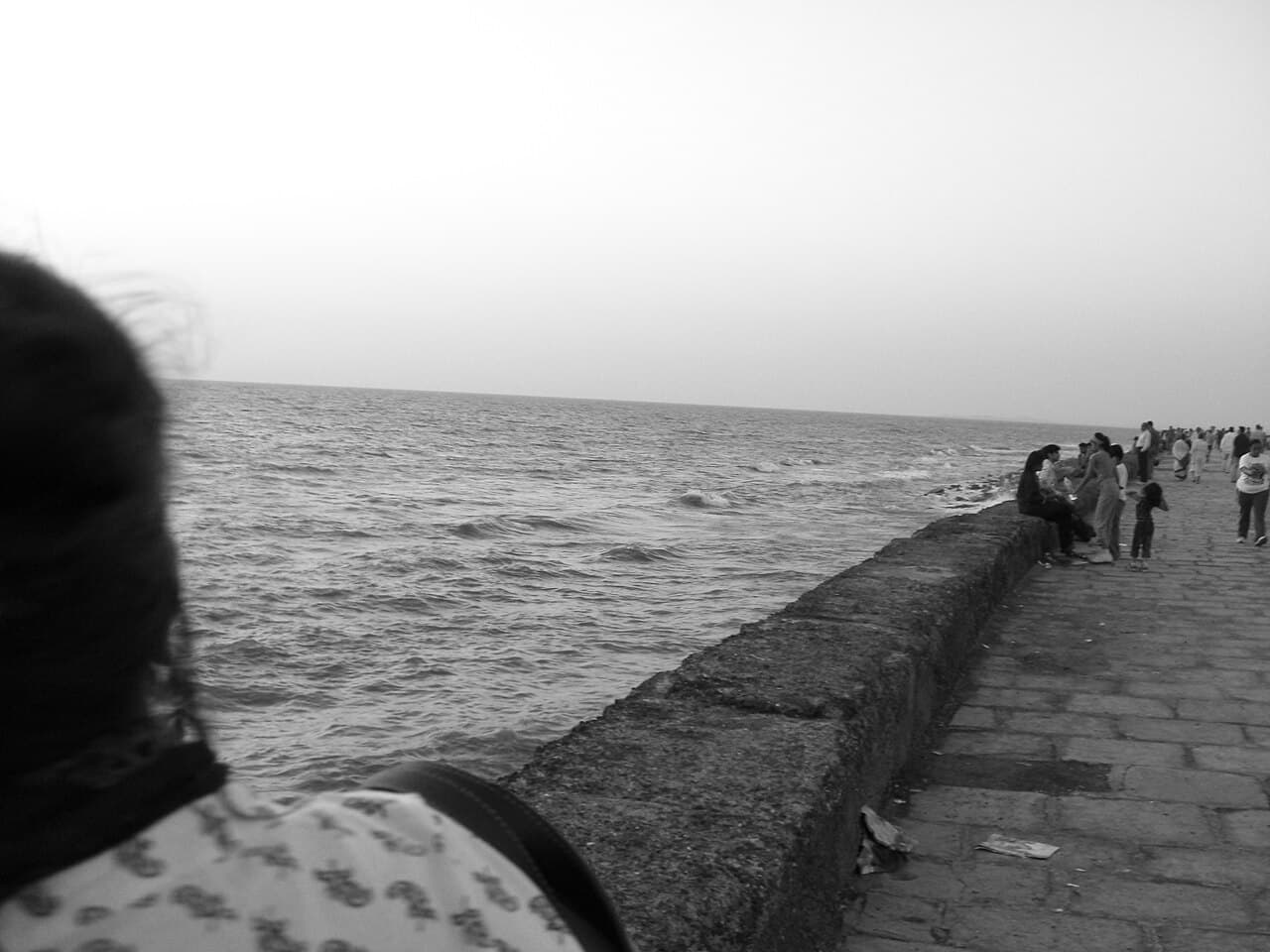
Make the waterfront a short outdoor addition. The fort and Koliwada are a separate heritage detour, not a continuous stroller itinerary.
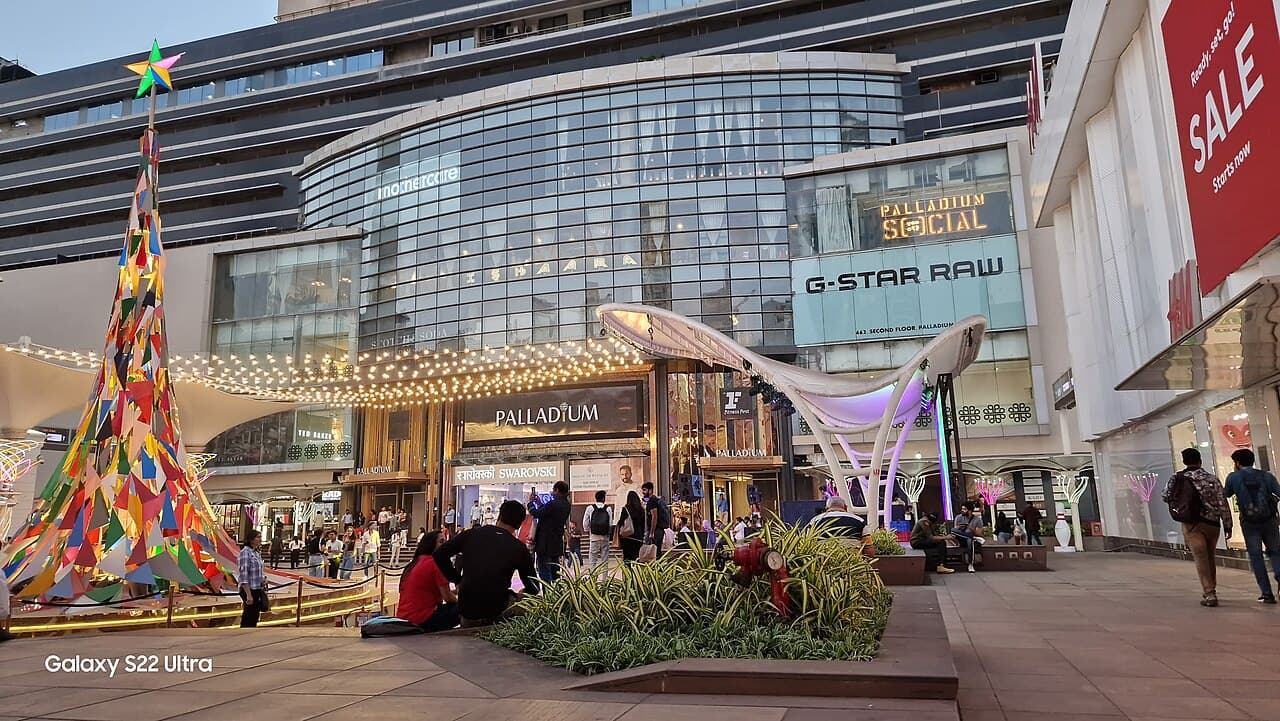
MuSo and the Phoenix Palladium options widen the choice for indoor play, shopping and meals. They are nearby-area additions, not Worli attractions.
Choose one substantial visit. A second museum or gallery works only if everyone has the energy.
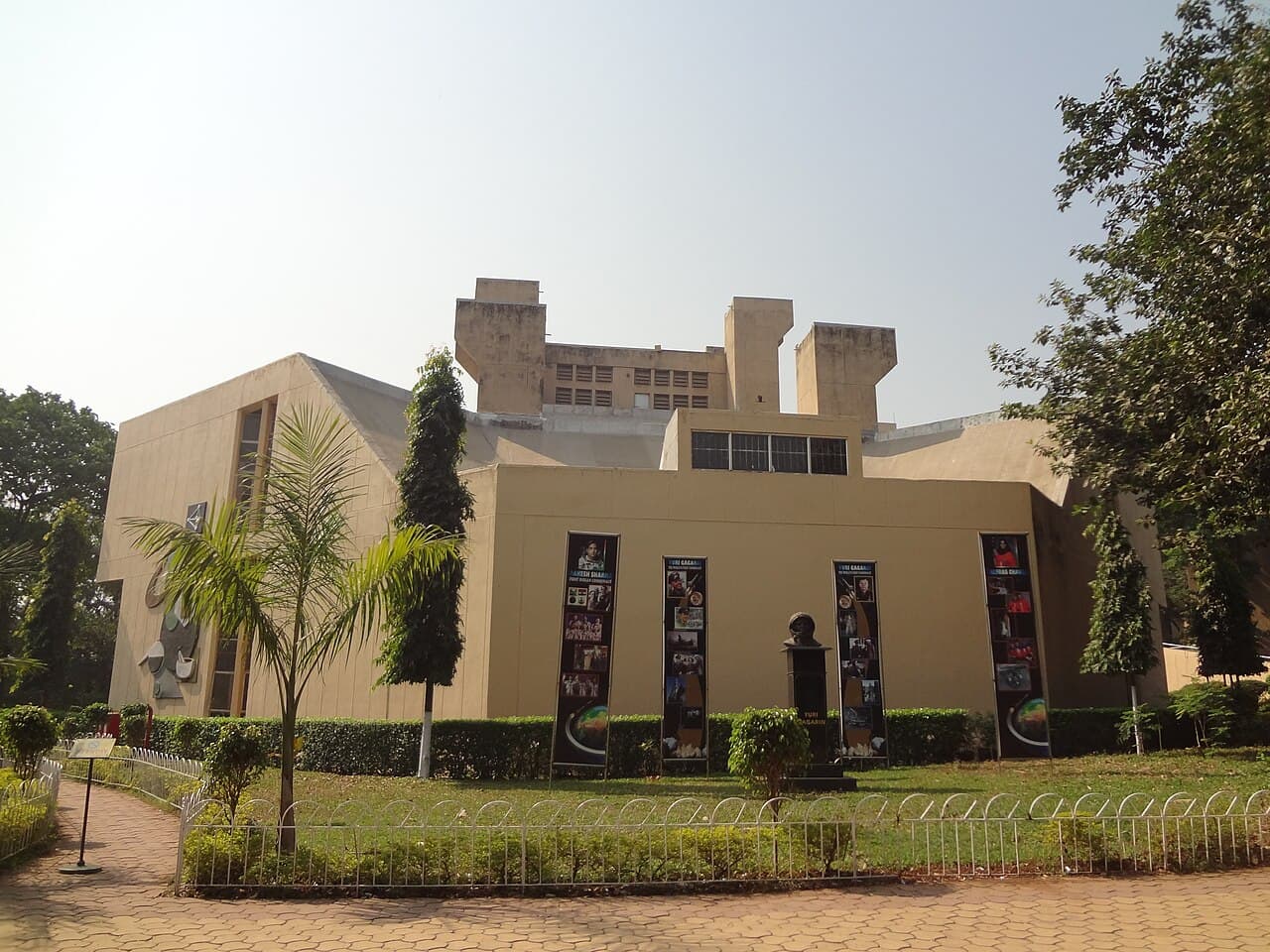
Museums & discoveryNehru Science Centre is a place to try, notice and try again. A child can explore senses indoors, turn movement into sound, investigate visual tricks and work with larger mechanisms in the outdoor park. Start with galleries and add a show only if it fits your child and the timetable. Mirror Gallery and Science Odyssey still carry renovation-closure notices, so neither belongs in a promised itinerary.
 Museums & discovery
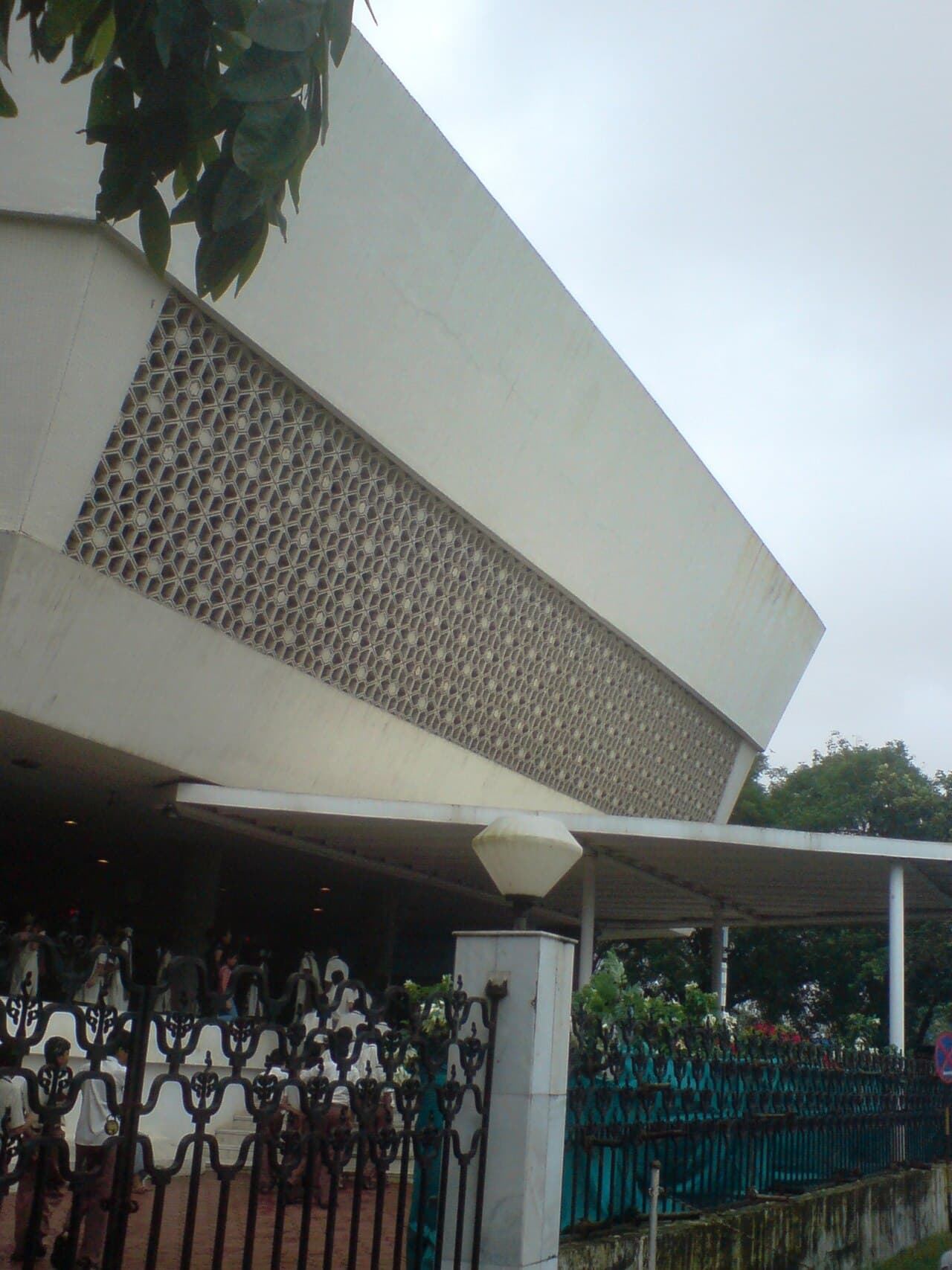
Nehru Planetarium is a scheduled, seated astronomy experience, so choosing the right language and arrival time matters as much as choosing the date. The currently published programme is The Moon Mission—India’s Journey to the Moon. Pair the dome show with a few exhibits and a conversation afterwards; it is a different kind of outing from freely moving through Nehru Science Centre.
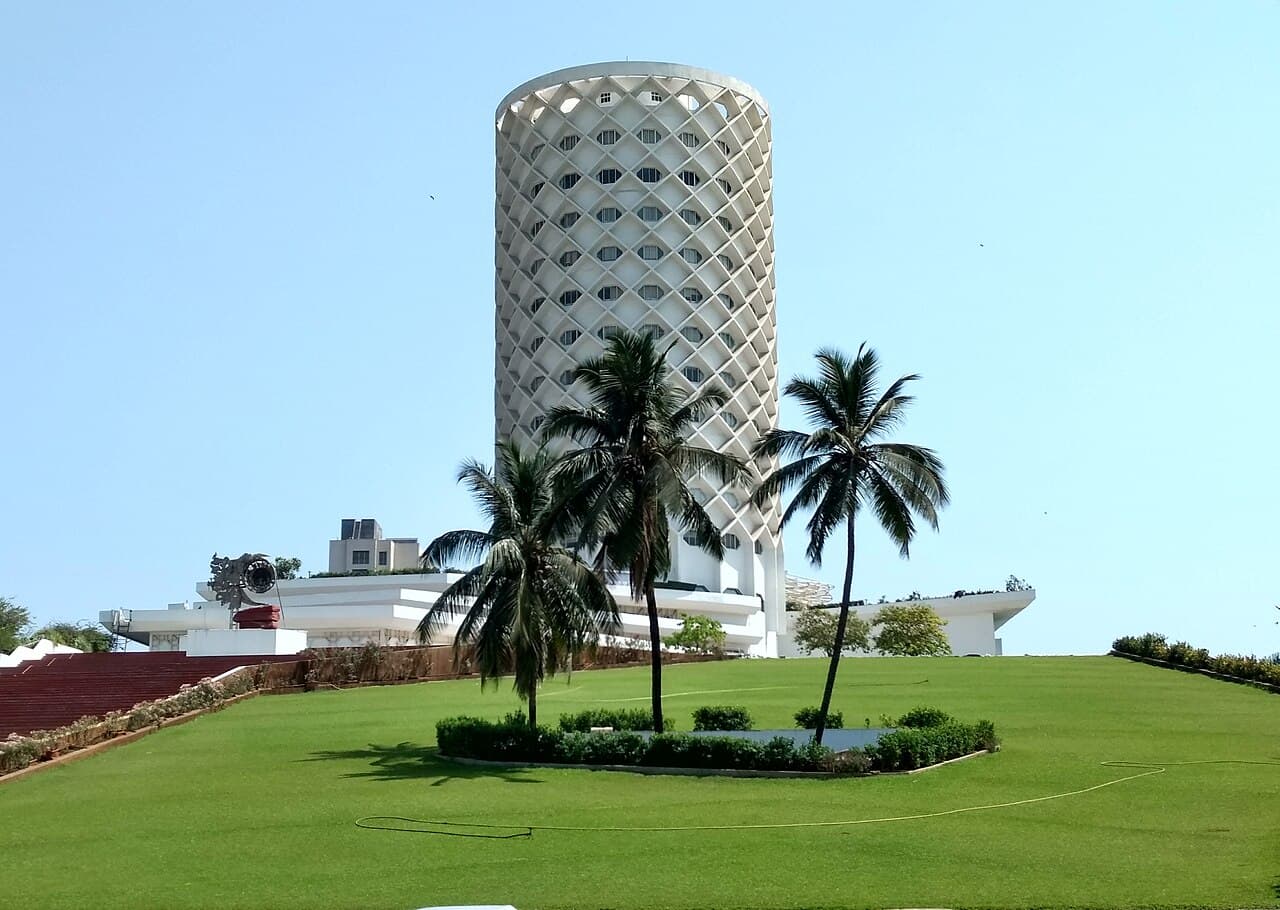 Museums & discovery
This permanent Nehru Centre exposition offers a broad introduction to India through galleries, architectural replicas, photographs, dioramas and audiovisual material. For a family, its appeal is the chance to connect a school topic with something visible: a building form, an artistic tradition or a scene from another period. Select a few themes rather than attempting a complete historical survey. It belongs to Nehru Centre on Dr Annie Besant Road; the separately run Nehru Science Centre on Dr E Moses Road offers a different experience.
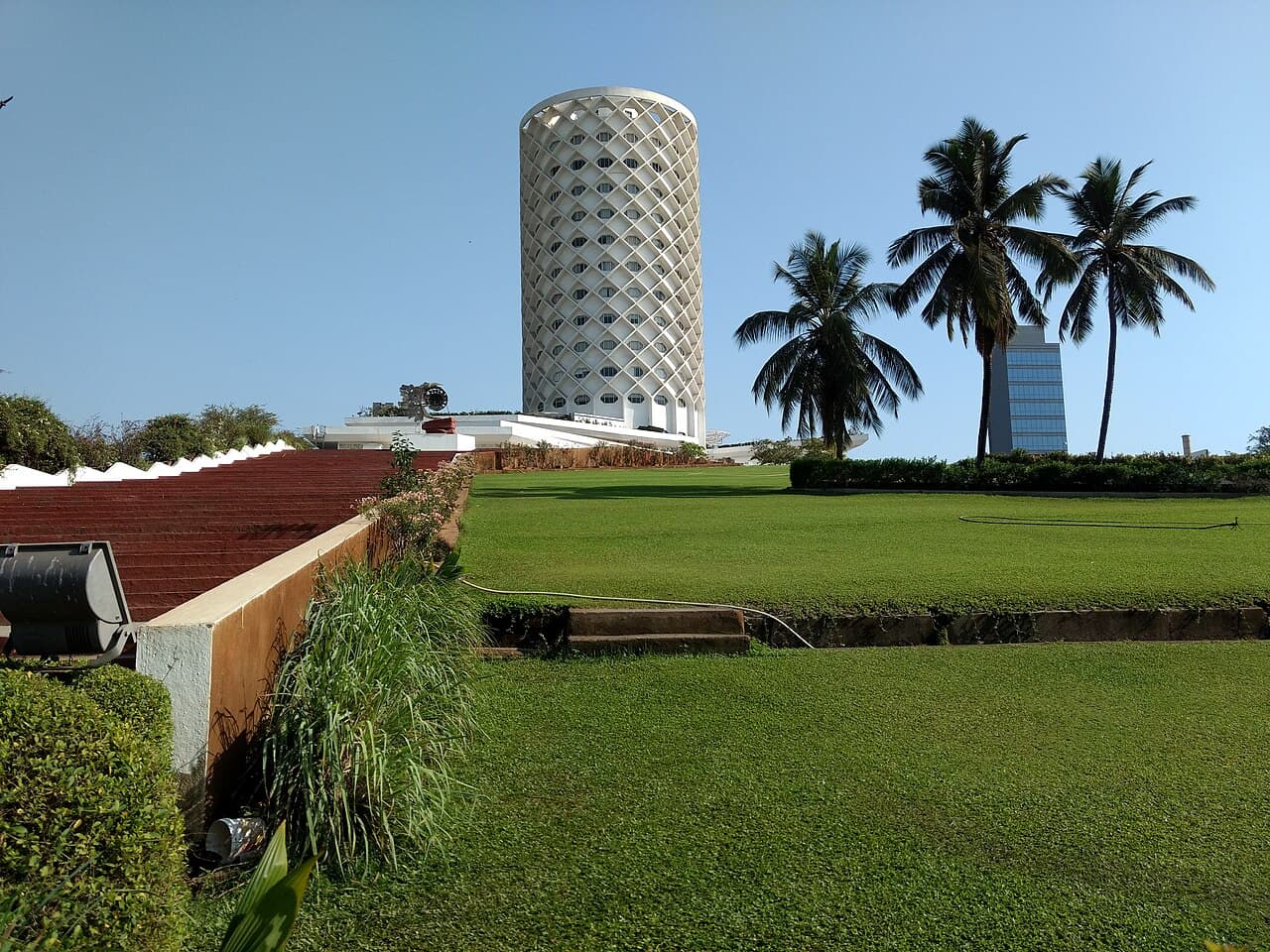 Museums & discovery
A compact art stop can work beautifully between larger activities when children are invited to look and respond rather than identify artists correctly. Nehru Centre hosts work by emerging and established artists across different media. Its air-conditioned gallery and Circular Gallery sit on the ground floor of the Discovery of India building. The exhibition changes, so the current show is the reason to visit; do not expect every medium mentioned in the institution’s history to be displayed at once.
 Museums & discovery
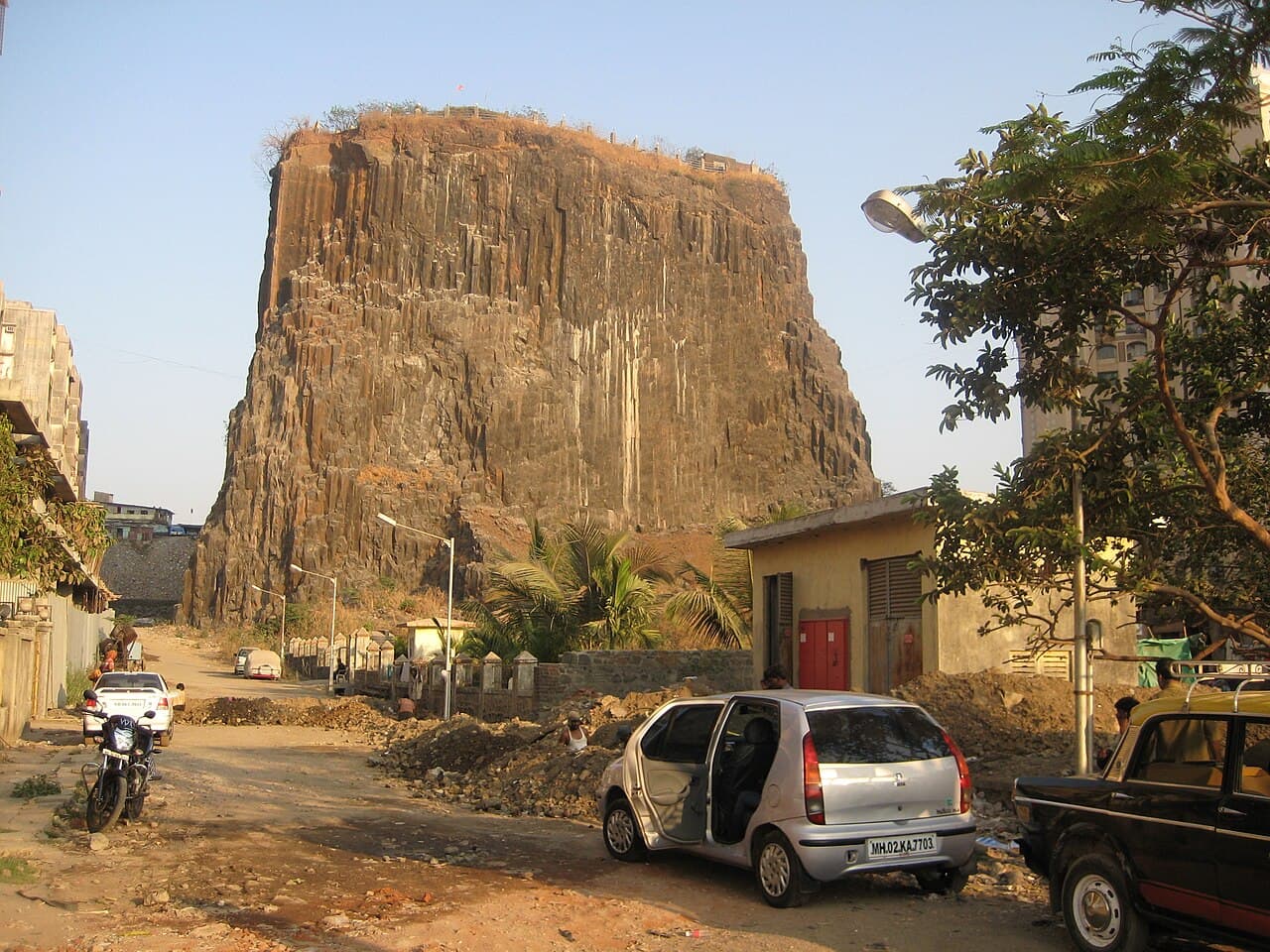
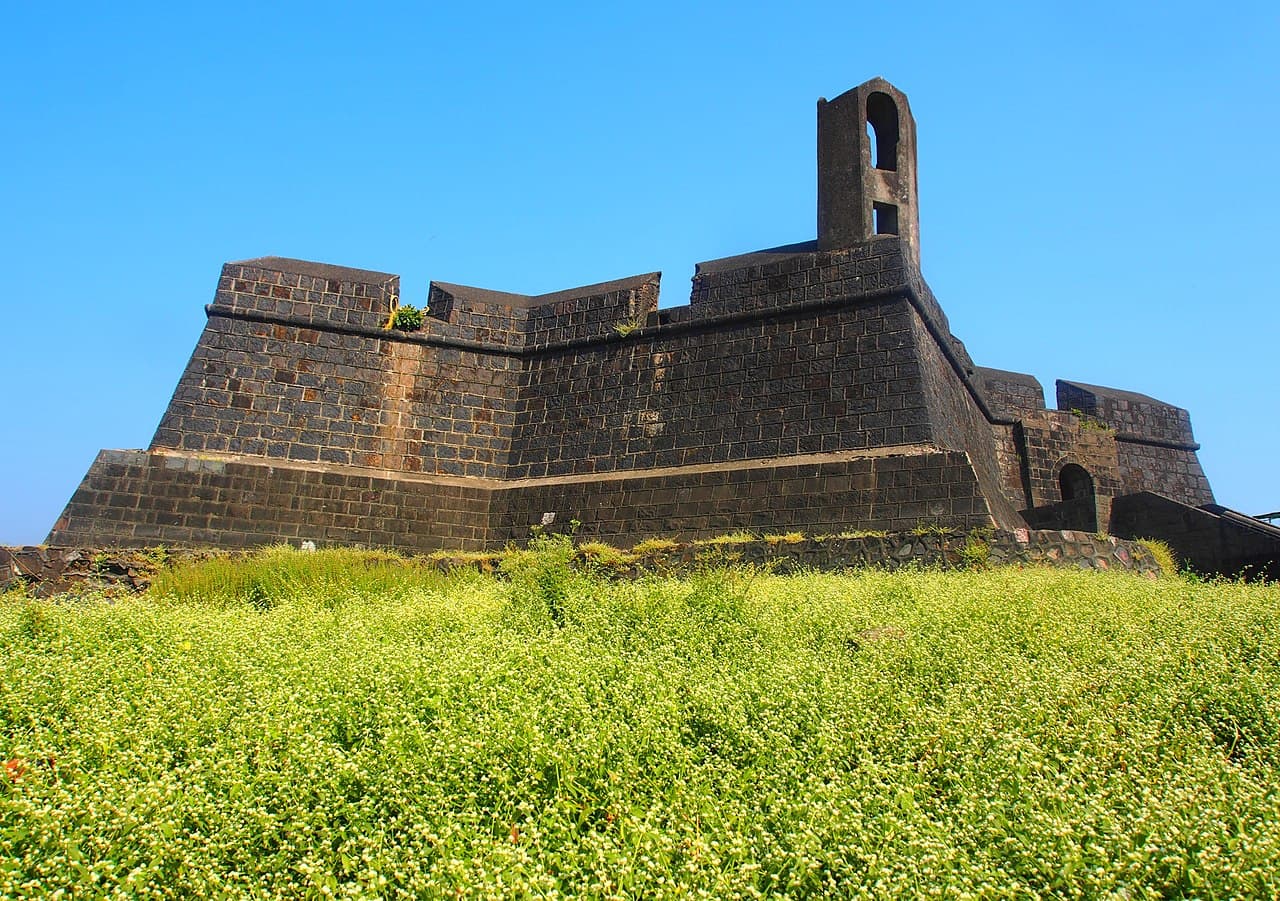
Worli Fort offers a small-scale heritage outing within the setting of Worli Koliwada. The Maharashtra gazetteer locates the fort on a headland beside the old Koli settlement, and the municipal heritage list records it as a heritage site. Its value for children lies in reading a place: why choose higher ground, what could defenders see, and how does a fishing neighbourhood relate to the sea? Current opening arrangements and visitor facilities were not verified, so confirm access before making this the day’s main destination.
Add a quiet reading stop for a child who enjoys looking things up after a museum visit. The Nehru Centre's library is on the first floor of the Discovery of India Building and welcomes the public free of charge. Books are for reading and reference on site, so choose a topic to investigate together instead of expecting to borrow a stack. Plan around its closure days, bring valid photo identification and check the rules for belongings before entering.
Check each institution’s calendar; one ticket does not cover separate venues.
Outdoor stops offer a change of pace. Match the route to weather, steps and your children’s walking stamina.
Consider this neighbourhood garden for a gentle outdoor pause between Worli's larger attractions. BMC records identify the garden on Sir Pochkhanwala Road, which helps distinguish it from other Mahavir-named grounds across Mumbai. Make the family activity simple: notice different leaf shapes, sketch a tree or take a quiet walk together. Current gate hours and play-equipment condition have not been independently confirmed, so treat it as an optional stop and check local signage before building the day around it.
This small municipal garden gives families another outdoor option in the Worli Seaface neighbourhood. Its identity and address are documented in BMC's garden inventory; the record does not establish today's opening hours or facilities. It may suit a short plant-spotting pause when you are already nearby, with an adult checking the entrance and ground conditions first. Keep it flexible in your itinerary, especially after rain, and do not promise children a particular slide, swing or playground before seeing it.
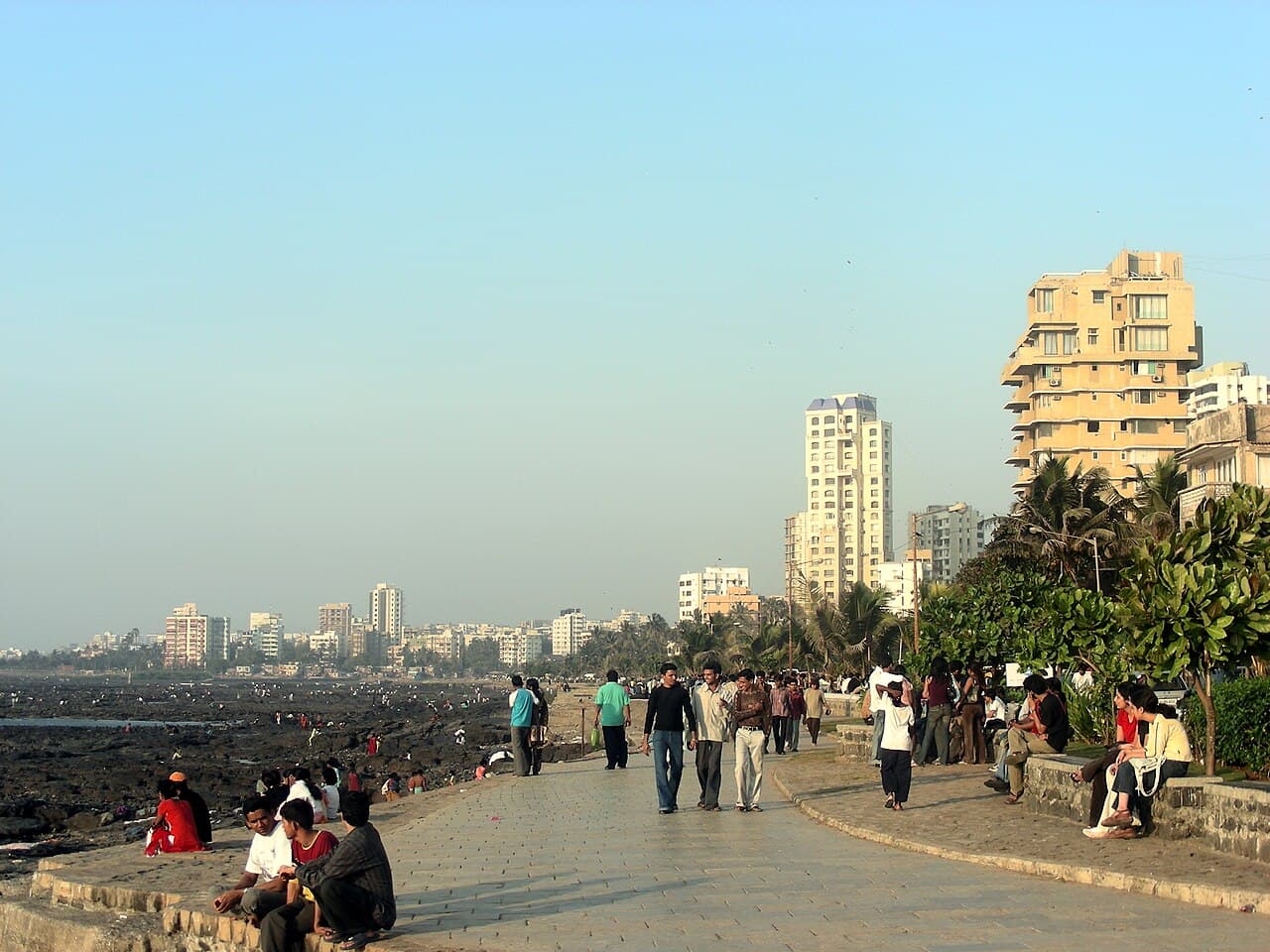
The new promenade changes the scale of a Worli walk: the sea is the destination, with a wide route rather than a compact park. Enter through a designated pedestrian underpass, note exactly where you emerged, and choose a short out-and-back route before children start walking. Opening coverage describes access near Worli Dairy and other points along the coast; the nearest road pin is not always the correct pedestrian entrance. The exposed setting makes water, sun protection and weather judgement important. Older children may enjoy watching the changing coastline or counting the different kinds of activity along the route. Keep runners, cycles and small children aware of one another. This recommendation covers the existing promenade, not proposed future gardens or entertainment facilities.
Why it made the list. It is a substantial new public outdoor experience supported by opening coverage and later visitor use. A short family walk provides a distinct alternative to the old Sea Face, while clear access guidance avoids turning a pleasant outing into a long search for an entrance.
Pair it with. Pair a short coastal walk with one science-centre session; plan a taxi to the correct pedestrian entrance rather than assuming a direct route.
An outdoor listing does not imply a playground, toilets or step-free access.
Enjoy the waterfront as a short pause. These are viewing and walking suggestions, not swimming recommendations.
Follow local closures and warnings; skip the shore during rough conditions.
Choose a defined activity and agree a spending limit before starting.
Check age, height and supervision rules for the individual activity.
These are practical food options for the outing, with branch-specific sources.
If Nehru Science Centre is your main outing, its own cafeteria offers a meal-break option within the visit rather than requiring a separate restaurant transfer. The centre documents the cafeteria and advises larger groups to contact its administration beforehand. Ask about the day’s menu and service availability when you arrive, especially if your child has dietary needs. This is a practical addition to a science-centre day, not a separately verified destination for a restaurant-only visit.
Ask about allergens, high chairs and changing facilities directly; these have not been assumed.
Allow 2–4 hours as an editorial estimate; choose a shorter route for preschoolers. Ask the operator about ramps, lifts and which working exhibits can be used from a seated position. Complete accessible route not independently audited.
Allow 1.5–2 hours including arrival and exhibits; exact show duration not verified. Official page says lift available for wheelchair users only. Contact +91 9892890510 for assistance and seating details before travel.
60–120 minutes; editorial estimate, depending on selected games and queues. Level 3 venue; step-free entrance-to-game routes, accessible toilets and adaptive equipment not verified. Call ahead with the child’s specific needs.
A short outdoor ending after focused indoor discovery.
Keep the fixed show and flexible pause separate.
Editorial suggestions, not booked itineraries. Check each place’s hours before you set out.
No. This addition refers to the newer Coastal Road seafront route and its pedestrian underpasses. The existing Worli Sea Face page covers the older neighbourhood waterfront setting.
No. Use designated pedestrian access to the promenade. The vehicle road is not the family walking route.
Use a specific currently open pedestrian access point, such as the Worli Dairy-side approach, and verify its map pin. A generic Coastal Road destination can lead to the wrong side of the infrastructure.
They are not included here as operating attractions. Planning reports do not establish public opening, ticketing or child access.
It is recommended as a modest neighbourhood green pause. Current play equipment has not been verified and should not be the reason for a special cross-city trip.
No. News about 24-hour vehicle-road operations can be misleading for pedestrians. Check local access restrictions and use a comfortable daytime or early-evening window.
Confirm current cycling rules and route separation first. Opening reports and visitor cycling accounts do not establish unrestricted child cycling at every entrance or time.
A brief Mahavir Udyan visit is lower-commitment if its gate is open. The promenade offers a more expansive sea view but requires a deliberate transfer and return plan.
Future waterfront event plazas, petting zoos and planned parks are excluded. Mahavir Udyan improves an existing extra using the same id rather than creating a duplicate. Current garden gate hours and promenade amenities remain unverified.
Each place lists its own sources on its page. Neighbourhood groupings are editorial planning clusters, not administrative boundaries.